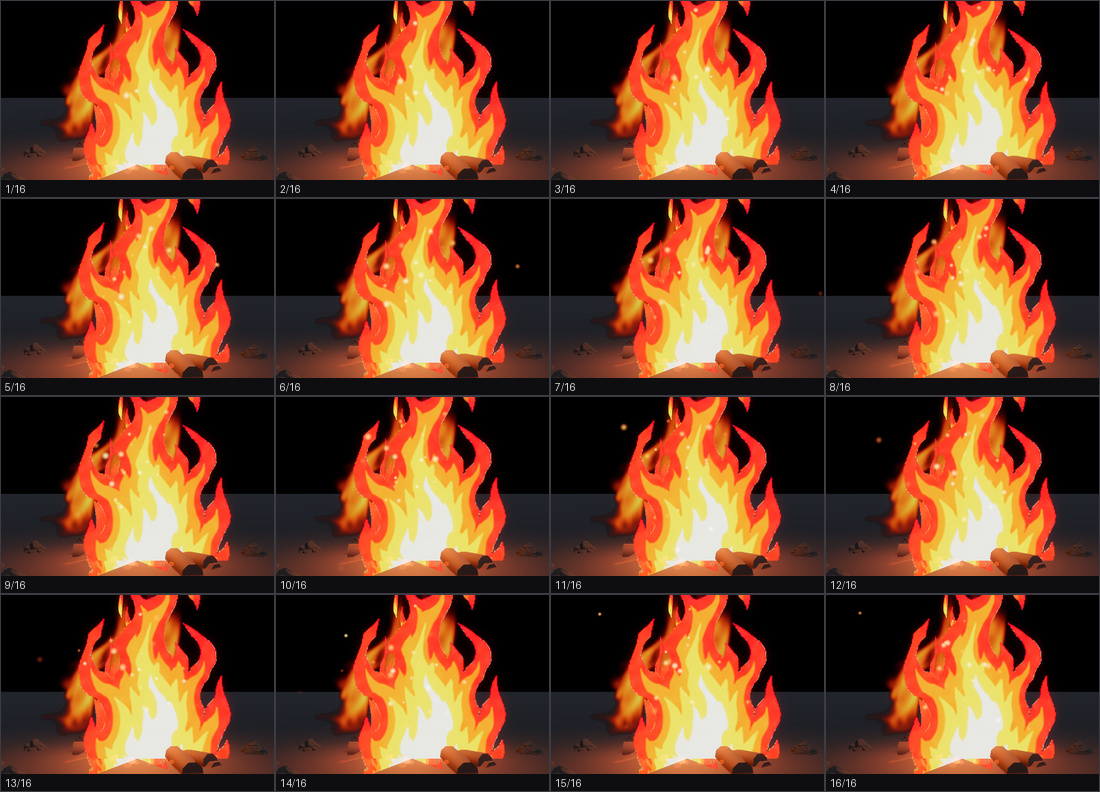
Firewhip
A spell from the reference sandbox, rebuilt in Godot. Engine output.
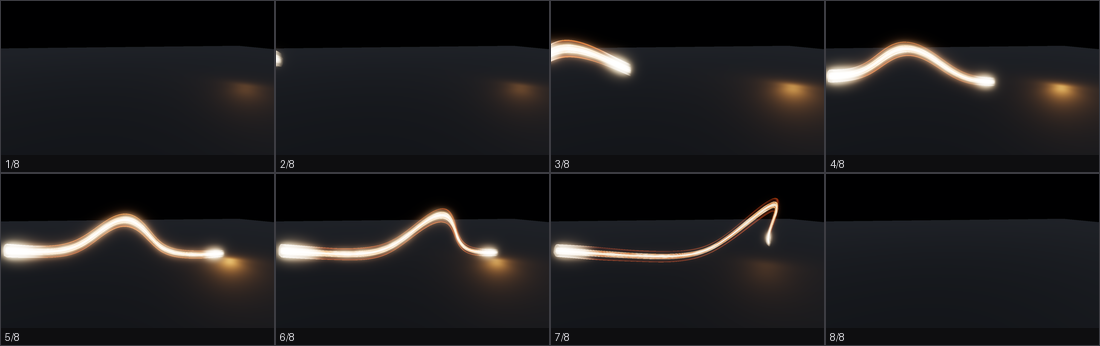
What this proves
- Zero new shader code. The spell is pure configuration over a
Tubeprimitive. The port is geometry + numbers, not shader transcription. - The 101 spells are not 101 ports. They are roughly 11 primitive ports plus config. Naive per-spell counting gives 132,008 shader lines; the actual union is 14,918 — a 9× overestimate.
- Three of the eight fire spells need zero unique shader. firewhip, dragonbreath, pyroclasm.
Shader #include works — with a negative control
The sandbox shares GLSL chunks via #include. If Godot could not do
that, every shader would need its chunks transcribed by hand — the
difference between a port and a rewrite. This was verified rather than assumed.
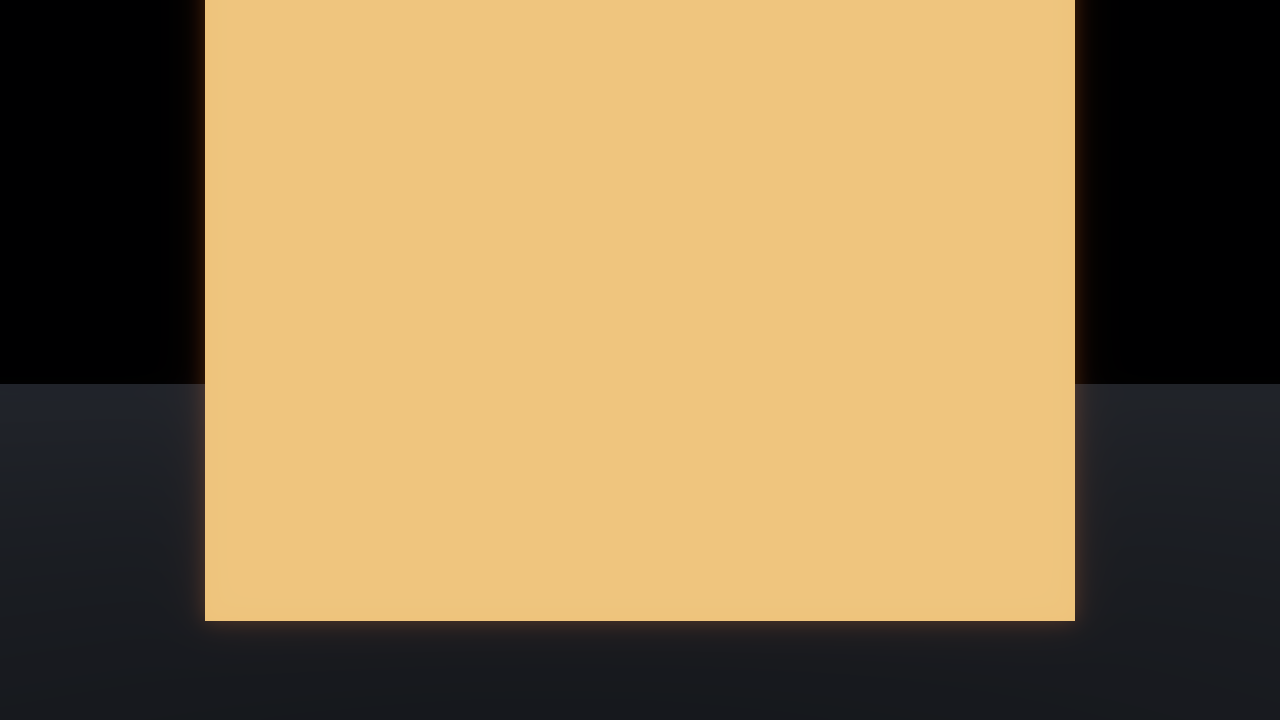
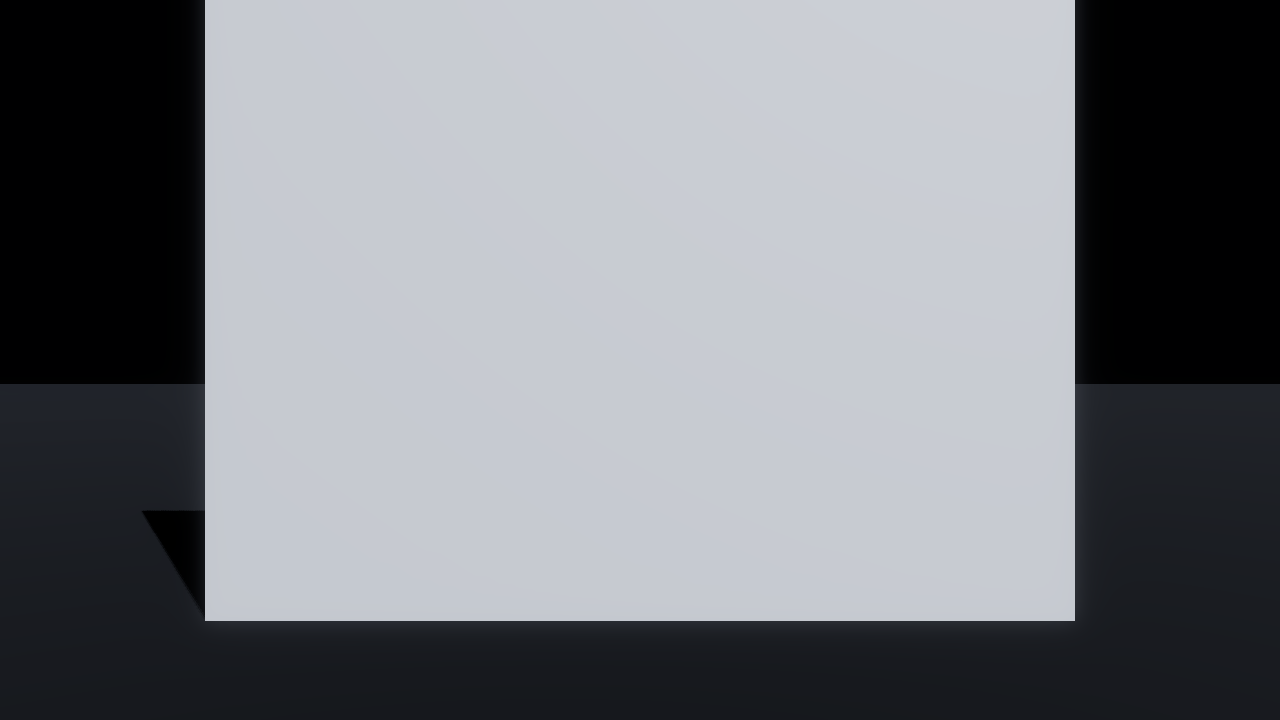
One-card campfire — and its failure

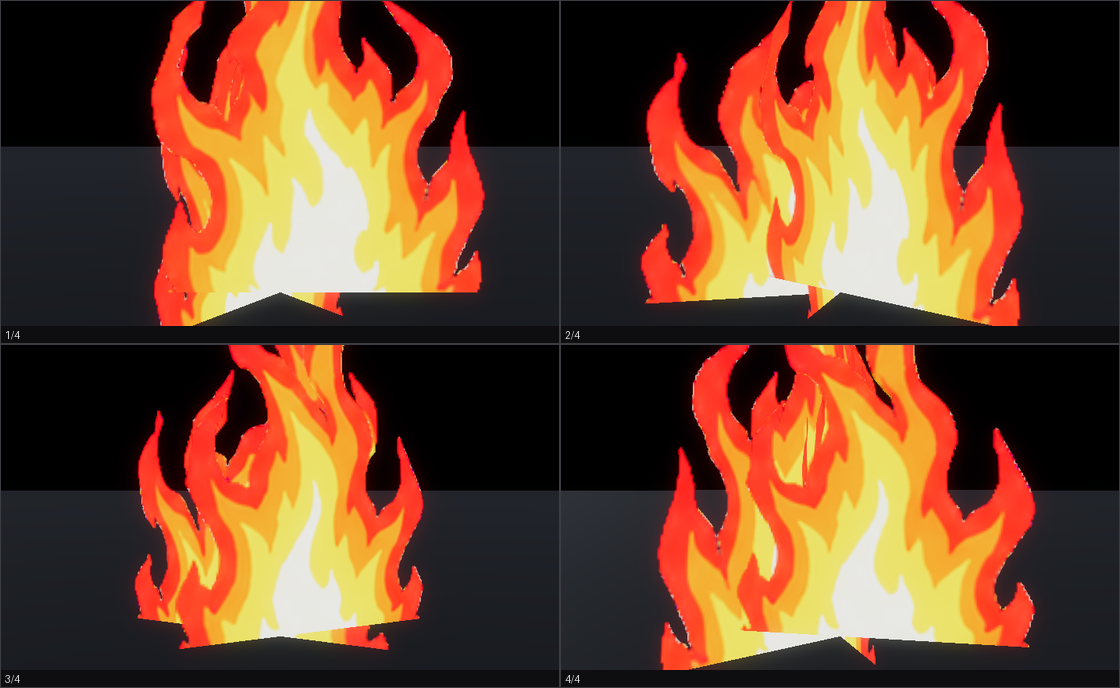
Measured: the card collapses at two angles
| Camera | Fire pixels | vs az000 |
|---|---|---|
| 0° | 410,137 | — |
| 45° | 435,261 | +6% |
| 90° | 15,660 | −96% |
| 135° | 7,549 | −98% |
The single card loses 96–98% of its pixels at 90° and 135°. A yaw billboard should always face the camera and never do this, so the billboard is either not applied or the card is being culled. Not diagnosed. Reported because it is the reason panel 2 is empty and panels 3–4 are nearly empty.
Campfire — the craft stack
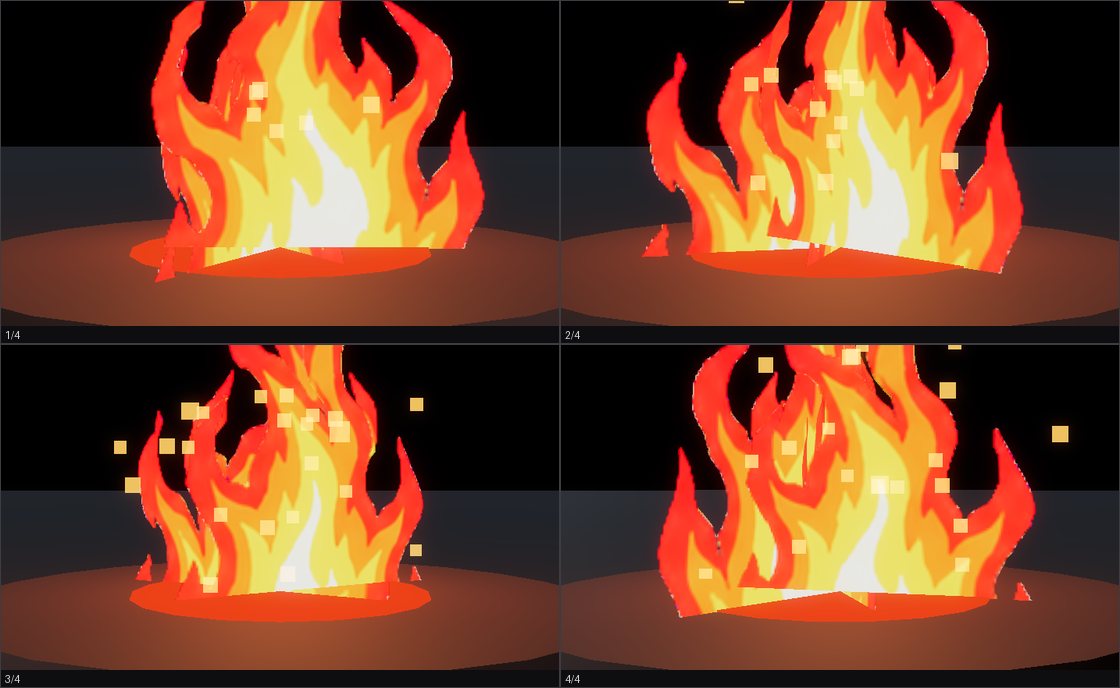
Real logs, rocks, coals, ground pool, embers. The layer the judges named as the worst failure — a dead-straight base — was fixed here.

Before and after the stack
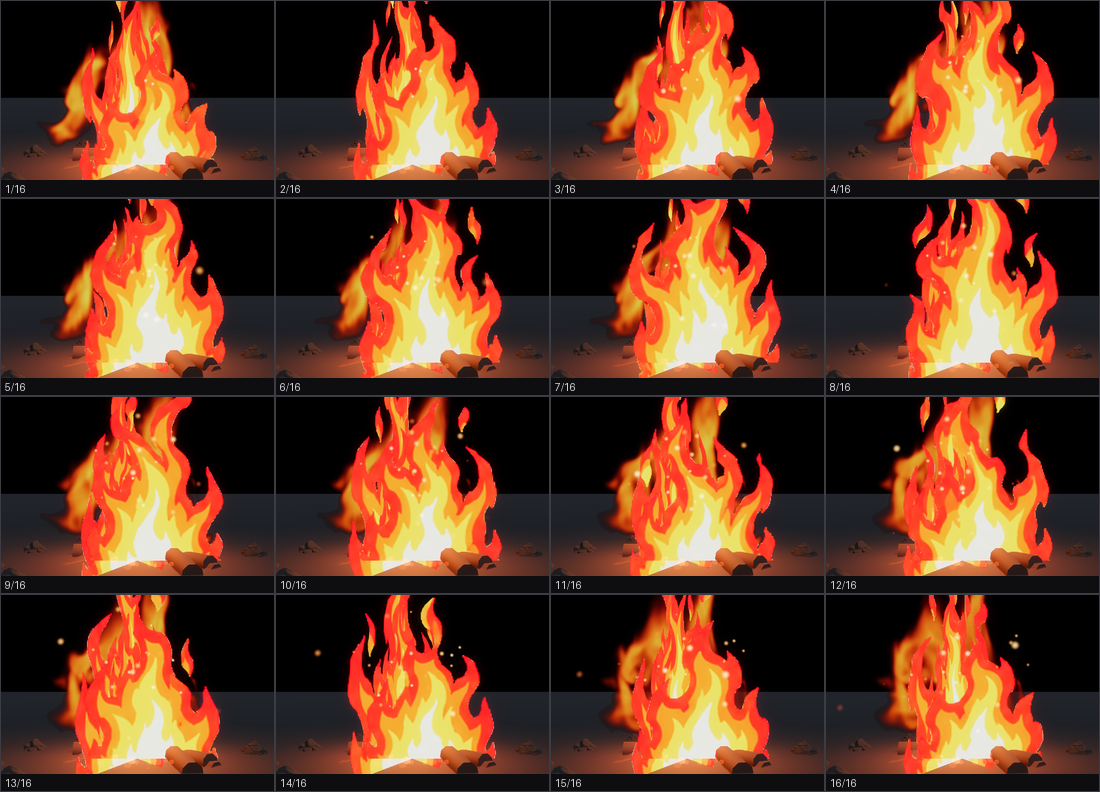
One full cycle
Measured
| Measure | Result | Target |
|---|---|---|
| Straightest span at the base | 4.3% | <8% |
| … before the logs | 7.5% | — |
| Base bottom-row spread | 156 px IQR | >50 |
| Ground pool reach | 0.52 m | ~0.5 m |
| Shape change per frame | 24.2% | >4% |
| Frozen control | 0.9% | ~0 |
The base is no longer a straight line: the bottom row varies across a 156 px spread instead of clustering on one row. And 24.2% shape change against a 0.9% frozen control is 27× separation — the instrument is measuring the fire, not the embers.
What the stack added
- Crossed logs, not a disc. Varied length, radius, yaw and pitch. The straight shelf went from 7.5% to 4.3% and the base became a distribution rather than a line.
- A rock ring. Uses the rock model that had never been imported.
- Coals between the logs. Unshaded, so they glow without being lit.
- A ground pool with a real falloff. 0.52 m reach, down from 59.6% of flame pixels to 12.2% — against the shipped target's own 12.6%.
- A second sheet under the hero. The CC0 36-cell campfire, at a different phase and scale, to break the 16-pose loop.
- Stride-5 offsets. The old stride of 2 shared a factor with 16, so three cards only visited 8 distinct poses. Stride 5 visits all 16.
- Embers with a texture and a fade. They cool and dim as they rise instead of vanishing as flat squares.
Three honest problems
1. Too much orange
Measured against the approved sheet's own palette, the build runs +14.1 points heavy on orange and 7–8 points light on yellow.
The build is warmer and less bright than the target. Fixable by shifting the ramp, but it is a real deviation and it is why the fire looks slightly heavier than the approved sheet.
2. The second sheet disappears at one angle
The under-sheet sits at 30°, so at a camera angle near 135° it goes nearly edge-on and falls below the alpha scissor — its contribution drops to 0.38%, effectively nothing. The loop-hider is missing for about a quarter of the orbit, which is the one layer whose entire job is to be present at every angle.
3. The pool's tail is short
Its brightest 10% is about 2× darker than the target's (25–28 vs 66), so the falloff ends more abruptly than the reference. The reach is right; the tail is not.
Your call
It is grounded and lit now. Does it read as fire?
1. Is this the right direction?
2. Fix the orange/yellow balance and the vanishing sheet?
3. Anything else wrong?
The frozen control — proof the numbers are real